

Imagine stepping into the enchanting world of nature, where hidden treasures await your discovery. In “The Art of wild foraging,” you will explore the exhilarating journey of seeking out wild edibles and delving into the bountiful offerings of the natural world. From fragrant herbs to delectable mushrooms, this article will take you on a captivating adventure, opening your eyes to the wild wonders that surround you. So put on your foraging hat, grab a basket, and get ready to experience the magic of wild foraging firsthand.
What is wild foraging?
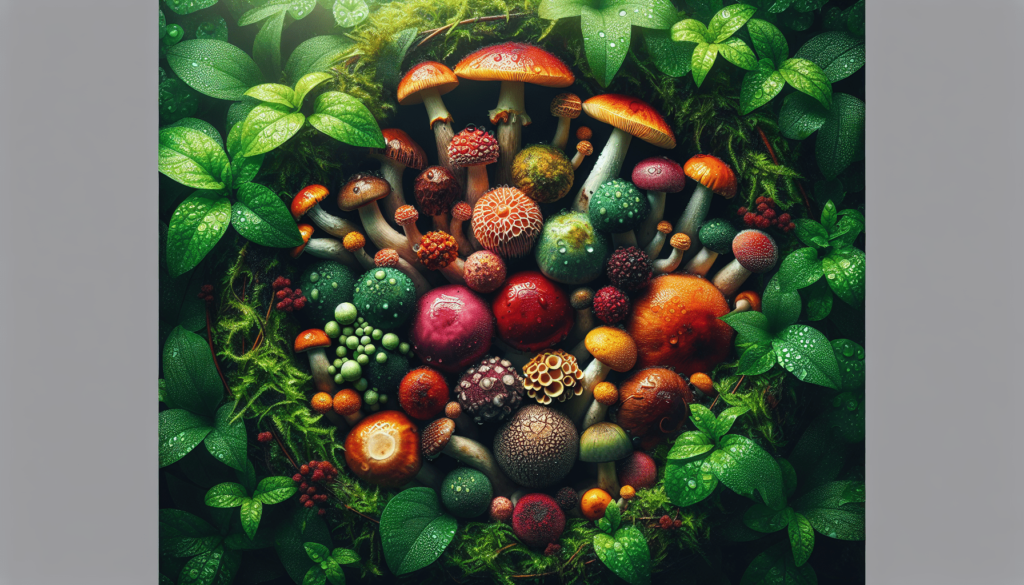
Wild foraging is the practice of gathering and collecting edible plants, mushrooms, berries, nuts, and other natural food sources from the wild. It involves searching for and harvesting food in forests, meadows, and other natural environments. This age-old practice has been passed down through generations and is experiencing a resurgence in popularity as people seek a deeper connection with nature and a greater appreciation for the abundance of food that can be found in the wild.
Definition
Wild foraging can be defined as the act of searching for and gathering wild food sources such as plants, mushrooms, berries, and nuts from their natural habitat. It involves identifying and safely harvesting edible and nutritious foods that grow in the wild, away from cultivated fields and gardens.
History
Wild foraging has been an integral part of human survival for thousands of years. Before the advent of agriculture, early humans relied on wild foraging as their primary means of obtaining food. They developed a vast knowledge of the natural world and learned to identify edible plants, mushrooms, and other food sources through trial and error. Over time, this knowledge was passed down from generation to generation, forming the foundation of traditional foraging practices.
Importance
Wild foraging is not only a means of accessing fresh and free food but also a way to connect with nature and practice sustainability. By foraging for wild foods, we develop a deeper appreciation for the natural world and the ecosystems that sustain us. It also allows us to diversify our diets, as wild foods often offer unique and rich flavors not typically found in cultivated foods. Furthermore, wild foraging promotes self-sufficiency and reduces our dependence on industrial agriculture, enhancing food security and fostering a sense of resilience.
Benefits of wild foraging
Health benefits
Wild foraged foods are often more nutrient-dense than their cultivated counterparts. They are typically free from pesticides and other chemicals, making them a healthier choice for consumption. Many wild plants and mushrooms also possess medicinal properties, offering a natural way to support our health and well-being. Foraging also provides an opportunity for physical activity and time spent outdoors, benefiting both our physical and mental health.
Environmental benefits
Wild foraging encourages us to engage directly with the natural environment, fostering a deeper understanding and appreciation for the ecosystems that support us. By foraging wild foods, we reduce our reliance on monoculture agriculture and the associated environmental impacts, such as habitat destruction, water pollution, and soil degradation. Additionally, foraging promotes biodiversity by encouraging the consumption of a wide range of plant species, which helps to maintain healthy ecosystems.
Cost savings
Foraging for wild foods can lead to significant cost savings, as they are often free or available at a minimal cost. By incorporating wild foods into our diets, we can reduce our grocery bills while enjoying the nutritional benefits of fresh, seasonal produce. Foraging also allows us to reconnect with the resourcefulness of our ancestors, who relied on the abundance of nature to sustain them.
Safety considerations
Knowledge and identification
One of the essential aspects of wild foraging is developing a comprehensive knowledge of the plants and mushrooms that grow in your region. It is crucial to study field guides, attend workshops, and learn from experienced foragers to acquire a thorough understanding of the edible and poisonous species in your area. Proper identification is essential to avoid consuming toxic plants or fungi.
Avoiding poisonous plants
To ensure your safety while foraging, it is vital to learn how to identify and avoid poisonous plants. Some common poisonous plants may resemble edible varieties, making accurate identification crucial. Never consume a plant or mushroom unless you are 100% certain of its identity, and always err on the side of caution when in doubt.
Respecting the environment
While foraging, it is crucial to respect the environment and practice sustainable harvesting methods. Only take what you need and leave enough behind for the plants to propagate and support local ecosystems. Avoid trampling vegetation or disturbing wildlife habitats, and be mindful of any local regulations or restrictions on foraging in protected areas.
Tools and equipment
Foraging basket or bag
A foraging basket or bag is a valuable tool for gathering and carrying your wild harvest. Opt for a lightweight and durable option that is easy to carry and allows airflow to prevent moisture buildup, which can cause spoiling of delicate fruits and vegetables.
Pruning shears or knife
Pruning shears or a sharp knife are important for harvesting plants and mushrooms without damaging them. These tools allow for precision cutting, ensuring the plants remain intact and maximize regeneration for future growth.
Field guide or smartphone app
A reliable field guide or smartphone app specifically designed for wild foraging is an invaluable resource. It provides detailed information on plant and mushroom identification, including key features, habitat preferences, and potential look-alikes. Always cross-reference multiple sources for accurate identification.
Seasonal foraging
Spring foraging
Spring is an exciting time for foragers as the forests and meadows come alive with a variety of edible plants and mushrooms. Some common finds include ramps, fiddlehead ferns, wild leeks, nettle, and morel mushrooms. These early spring delicacies offer a burst of fresh, vibrant flavors and are a welcome addition to seasonal dishes.
Summer foraging
Summer brings a bounty of wild foods to discover and enjoy. Berries such as blackberries, raspberries, and wild strawberries are abundant during this time. Edible plants like purslane, lamb’s quarters, and dandelion greens thrive in the warm weather and can be used in salads and other culinary creations. Foragers may also find a variety of mushrooms, such as chanterelles and boletes, in certain regions.
Autumn foraging
Autumn is a particularly abundant season for wild foraging. Nut-bearing trees such as chestnuts, acorns, and hickory nuts are in abundance. This is also the time to forage for wild mushrooms, including the highly sought-after porcini and hen of the woods varieties. Wild fruits like elderberries, hawthorn berries, and rosehips are also ready for harvest, offering a tangy and nutritious addition to jams, jellies, and teas.
Winter foraging
While winter may seem like a barren season for foraging, there are still opportunities to discover edible treasures. Hardy winter greens, such as chickweed and wild mustard, often persist in milder climates. Some regions may also have evergreen trees that provide edible needles for making vitamin C-rich teas. Additionally, certain types of mushrooms, such as oyster mushrooms, can be found growing on dead trees or decaying logs.
Common foraged foods
Edible plants
There is a vast range of edible plants that can be foraged, each offering their unique flavors and nutritional profiles. Some common edible plants include dandelion greens, stinging nettles, chickweed, lamb’s quarters, wild garlic, plantain, and various wild lettuces. These wild greens can be used in salads, soups, stir-fries, and other culinary creations.
Mushrooms
Mushrooms are a highly sought-after wild foraged food. From the delicate and flavorful morels to the earthy chanterelles and the meaty porcini, wild mushrooms offer a wide array of culinary possibilities. However, it is crucial to be well-educated in mushroom identification to avoid consuming poisonous varieties.
Berries and fruits
Wild berries and fruits are a delightful find during foraging expeditions. In addition to the familiar blackberries and raspberries, foragers may discover wild strawberries, elderberries, hawthorn berries, and various types of wild grapes. These can be eaten fresh, used in jams and jellies, or even incorporated into desserts.
Nuts and seeds
Foragers can find an abundance of nuts and seeds in nature. Acorns, chestnuts, hickory nuts, walnuts, and hazelnuts are just a few examples of the culinary treasures waiting to be discovered. These nutrient-dense powerhouses can be roasted, ground into flour, or used in both sweet and savory recipes.
Foraging techniques
Scouting for locations
Finding the best locations for foraging is a skill that develops with time and experience. Start by exploring nearby forests, meadows, and parks known for their biodiversity. Look for signs of edible plants, such as disturbed soil, animal tracks, or specific plant indicators. It is also helpful to join local foraging groups or attend guided foraging walks to learn from experienced foragers and expand your knowledge of productive foraging areas.
Harvesting methods
When harvesting wild foods, it is important to do so sustainably to ensure the continued growth and abundance of the plants. Only take a small portion of the plant or mushroom, leaving the majority to reproduce and support the ecosystem. Use proper cutting techniques to minimize damage and facilitate regrowth. Avoid pulling up the entire plant, especially when collecting roots or tubers, as it can harm the plant and prevent future growth.
Sustainable practices
Foraging sustainably goes beyond selective harvesting. It also involves practicing good stewardship of the land and its resources. Avoid damaging the environment while foraging by staying on established trails or paths. Be mindful of the impact you have on the ecosystem and avoid over-harvesting sensitive or rare species. By practicing sustainable foraging, we contribute to the long-term health and vitality of natural landscapes.
Foraging ethics
Leave no trace
Respecting the environment and leaving no trace is a fundamental principle of responsible foraging. This means not only taking care to avoid damaging the plants and their habitats but also cleaning up any litter or waste found during your foraging excursions. By practicing leave no trace ethics, we ensure that future foragers can enjoy the same abundance of wild foods and pristine natural settings.
Responsible harvesting
Responsible harvesting involves taking only what you need and being mindful of the impact your actions have on the environment. Avoid excessive collecting, especially of rare or endangered species. By practicing responsible harvesting, we ensure the long-term sustainability of wild food sources and protect the delicate balance of ecosystems.
Sharing knowledge
One of the beautiful aspects of foraging is the opportunity to share knowledge and pass down traditions. As you gain experience in wild foraging, consider sharing your expertise with others, whether it is through teaching, writing, or simply guiding friends on a foraging excursion. By sharing knowledge, we foster a community of responsible foragers and ensure the preservation of this age-old practice for generations to come.
Preparing and cooking foraged foods
Cleaning and washing
Before consuming any foraged food, it is essential to clean and wash them thoroughly to remove any dirt, insects, or other contaminants. Gently wash edible plants and mushrooms under cool water, being careful not to damage delicate leaves or caps. Use a brush or cloth to remove any stubborn dirt or debris.
Cooking methods
Foraged foods can be cooked in a variety of ways to maximize their flavors and nutritional value. Edible plants can be blanched, sautéed, or incorporated into soups and stews. Mushrooms can be grilled, sautéed, or baked. Berries and fruits can be eaten fresh, used in smoothies, or cooked down into jams and preserves. Nuts and seeds can be roasted, ground into flours, or used as toppings for salads and desserts.
Recipes and culinary creativity
Foraging allows for culinary creativity and experimentation. Once you have identified and collected your wild food treasures, there are countless recipes available to explore their unique flavors and textures. From wild mushroom risottos to nettle pesto, and blackberry pies to acorn flour pancakes, the possibilities are endless. Let your imagination and taste buds guide you as you incorporate foraged foods into your culinary repertoire.
Conclusion
Embracing the art of wild foraging offers a multitude of benefits. It allows you to connect with nature on a deeper level, develop a profound appreciation for the abundance of wild foods, and enjoy the unique flavors and nutritional benefits they offer. Engaging in wild foraging also encourages sustainability, reduces reliance on industrial agriculture, and promotes a sense of self-sufficiency. As you continue to explore the world of foraging, remember to always prioritize safety, respect the environment, and share your knowledge with others. By doing so, you contribute to the preservation of this ancient practice, while simultaneously nourishing both your body and soul. So go forth, explore the wilds, and embark on a culinary adventure like no other!