
In the vast wilderness, ensuring access to clean and safe water is paramount to your survival. But with limited resources and potential hazards lurking in every stream, knowing how to purify water becomes crucial. In this comprehensive guide, we will explore ten effective methods to purify water in the wilderness. From tried-and-true techniques using boiling and chemical treatments to modern filtration systems and ultraviolet light, discover the tools and knowledge you need to quench your thirst safely while exploring the uncharted depths of nature.
Boiling
Boiling water is the simplest and most basic method of water purification in the wilderness. By bringing the water to a rolling boil for at least one minute, you can effectively kill most types of pathogens that may be present. The high temperature of boiling water destroys any harmful bacteria, viruses, and parasites, making it safe to consume. It is recommended to allow the water to cool before drinking it. Boiling water not only eliminates the majority of pathogens but also helps to improve its taste by removing any unpleasant odors or flavors. This method is particularly useful when you don’t have access to any other purification methods or equipment.

Using a Water Filter
Using a water filter is another effective method of purifying water in the wilderness. Portable water filters are designed to remove various contaminants, including bacteria and protozoa, providing you with safe drinking water. When choosing a water filter, ensure that it can effectively eliminate pathogens and other impurities that may be present in the water, such as the FS-TFC Portable Water Filter. It is essential to follow the manufacturer’s instructions for proper use and maintenance of the filter to maintain its effectiveness. Regularly cleaning and replacing the filter elements as recommended will ensure efficient purification and prolong the lifespan of the filter.
Chemical Treatment
Chemical treatment is a reliable method for purifying water in the wilderness. It involves using chemicals to neutralize or kill pathogens present in the water. Common chemical water treatments include iodine tablets and chlorine dioxide drops. These chemicals are highly effective in disinfecting water and eliminating harmful microorganisms. When using chemical treatments, it is crucial to follow the instructions provided on the packaging regarding dosage and contact time. Proper dosage and sufficient contact time are necessary to ensure the effectiveness of the chemical disinfection process. Additionally, it is recommended to filter the water after chemical treatment to remove any residual particles or contaminants.
UV Sterilization
UV sterilization devices are valuable tools for purifying water in the wilderness. These devices use ultraviolet light to kill bacteria, viruses, and other pathogens present in the water. UV sterilization is a quick and efficient method, as it does not require any chemicals and leaves no taste or odor in the water. Before using a UV sterilization device, ensure that it is fully charged and follow the manufacturer’s instructions for proper use. It is essential to expose the water to the UV light for the recommended duration to ensure thorough sterilization. UV sterilization is particularly useful for purifying small quantities of water and can be a reliable option during outdoor activities.
Solar Disinfection
Solar disinfection, also known as SODIS, is a simple and eco-friendly method to purify water using sunlight. This method relies on the natural ultraviolet (UV) radiation from the sun to eliminate pathogens. To use solar disinfection, fill a clear plastic bottle with water and place it in direct sunlight for at least six hours. The UV rays from the sun will penetrate the bottle and kill any bacteria, viruses, and parasites present in the water. It is important to note that this method is more effective in clear, sunny conditions. While solar disinfection is a cost-effective method, it may not be practical in situations where there is limited sunlight or during cloudy weather.
Distillation
Distillation is a reliable method for purifying water in the wilderness, although it requires a bit more equipment and effort. This process involves heating the water to create steam and then condensing the steam to collect pure water. To distill water, you will need a pot with a lid, a heat source such as a stove or fire, and a separate container to collect the distilled water. As the water heats up and reaches its boiling point, it will evaporate, leaving behind impurities. The steam produced will then cool and condense on the lid, running down into the separate container as pure, distilled water. Distillation effectively removes contaminants such as heavy metals, salts, and other dissolved solids. However, it may not eliminate volatile chemicals or certain types of bacteria that have lower boiling points.
Portable Water Purification Systems
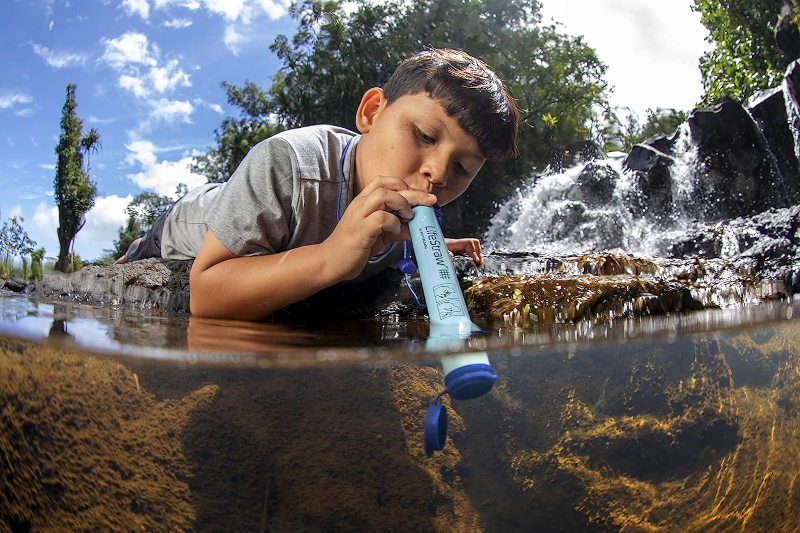
There are various portable water purification systems available such as the LifeStraw Personal Water Filter that ensure safe drinking water in the wilderness. These systems often employ a combination of filtration, chemical treatment, and sometimes UV sterilization to deliver clean and potable water. Portable water purification systems are compact, easy to use, and typically designed for outdoor enthusiasts, campers, and adventurers. When choosing a system, it is important to consider factors such as flow rate, filter lifespan, and the specific types of contaminants the system can remove. Researching and selecting a system that aligns with your specific needs and activities is crucial to ensure reliable water purification wherever you go.
Using Water Purification Tablets
Water purification tablets offer a convenient and portable method for purifying water in the wilderness. These tablets are compact and easy to carry, making them ideal for outdoor activities and emergency situations. Water purification tablets generally contain either chlorine, iodine, or other chemical compounds that effectively kill harmful microorganisms. The tablets are dissolved in water, and the recommended dosage and contact time should be followed based on the instructions provided by the manufacturer. It is important to note that some water purification tablets may leave an unpleasant taste or odor in the water, so it is advisable to use them as a last resort or when no other effective purification methods are available.
Improvised Filters
In a survival situation where you may not have access to proper water filtration systems, you can create an improvised filter using readily available materials. This method can help remove large particles, debris, and sediments from the water, improving its quality to some extent. To create an improvised filter, you can use materials such as rocks, sand, and cloth. Begin by layering the materials in a container in a specific order, with the cloth on top to trap finer particles. Pour the water slowly through the filter, allowing it to pass through the different layers. It is recommended to filter the water multiple times to enhance its quality further. It’s important to note that improvised filters may not remove all pathogens and may not provide completely safe drinking water, but they can aid in reducing visible impurities.
Chemical Disinfection
Chemical disinfection is another method for purifying water in the wilderness. Common chemical disinfectants include bleach and hydrogen peroxide. These chemicals are effective in killing a wide range of microorganisms, including bacteria and viruses. When using chemical disinfectants, it is crucial to follow the instructions provided regarding dosage and contact time. The correct concentration of the disinfectant and sufficient contact time are essential to ensure effective disinfection. After chemical disinfection, it is recommended to filter the water to remove any residual particles or contaminants. Chemical disinfection can be a reliable method when other purification methods are not available, but it may leave an aftertaste or require additional steps to improve the water’s palatability.
In conclusion, purifying water in the wilderness is essential to ensure safe drinking water and prevent waterborne illnesses. There are numerous methods available, each with its own advantages and considerations. Boiling, using water filters, chemical treatment, UV sterilization, solar disinfection, distillation, portable water purification systems, water purification tablets, improvised filters, and chemical disinfection all offer viable options for purifying water in the wilderness. Choosing the most suitable method depends on factors such as availability of resources, the extent of purification required, and specific needs and preferences. Regardless of the method chosen, it is crucial to follow the recommended instructions and guidelines to ensure the effectiveness of the water purification process and maintain your health and well-being in the great outdoors.