

In order to increase your chances of effectively building a long-lasting survival fire, it is crucial to understand the key elements and techniques that come into play. This article aims to provide you with the necessary knowledge and step-by-step instructions to accomplish this task successfully, ensuring that you are prepared for any wilderness scenario. By familiarizing yourself with the essential materials, such as tinder, kindling, and fuel, as well as implementing proper fire building methods, you will be equipped with the skills needed to create a sustainable and enduring fire, capable of withstanding the challenges of an entire night.
Choosing the Right Location
When it comes to building a survival fire that lasts overnight, choosing the right location is crucial. Consider the surroundings and ensure that the area is free from any potential hazards. Look for a sheltered spot that provides protection from wind and rain, as these elements can easily extinguish the fire. It is also essential to stay away from flammable objects such as dry grass, leaves, or low-hanging branches, as these can quickly catch fire and spread.
Gathering the Right Materials
Gathering the right materials is an essential step in building a long-lasting survival fire. Start by finding tinder materials, which are highly flammable substances that catch fire easily. Dry grass, birch bark, or shredded paper are good options for tinder. Next, collect kindling, which consists of small sticks and twigs that can sustain a fire once it has been ignited. Make sure to gather a sufficient amount of kindling to keep the fire going. Lastly, gather firewood, which will serve as the main fuel for the fire. Look for dry and dense firewood that will burn slowly and provide a consistent source of heat.

Preparing the Fire Pit
Preparing the fire pit properly is essential for maintaining a long-lasting survival fire. Start by clearing the area around the fire pit, ensuring that there are no dry grass or debris that could easily catch fire. Next, dig a shallow pit in the ground, around ten to twelve inches deep. This will help contain the fire and prevent it from spreading. Creating a windbreak is also crucial to shield the fire from strong gusts of wind. Finally, line the pit with rocks to provide stability and prevent the fire from spreading beyond its boundaries.
Creating a Fire Lay
A proper fire lay is essential for building a long-lasting survival fire. Start by laying down the tinder in the center of the fire pit. Arrange the tinder in a loose and fluffy manner to promote air circulation and ensure easy ignition. Next, arrange the kindling in a teepee shape around the tinder. This allows the flames to easily catch on to the kindling and slowly build up. Finally, position larger firewood in a pyramid or log cabin structure around the kindling. This structure will ensure that the firewood burns evenly and provides a steady source of heat throughout the night.
Using the Right Fire Starter
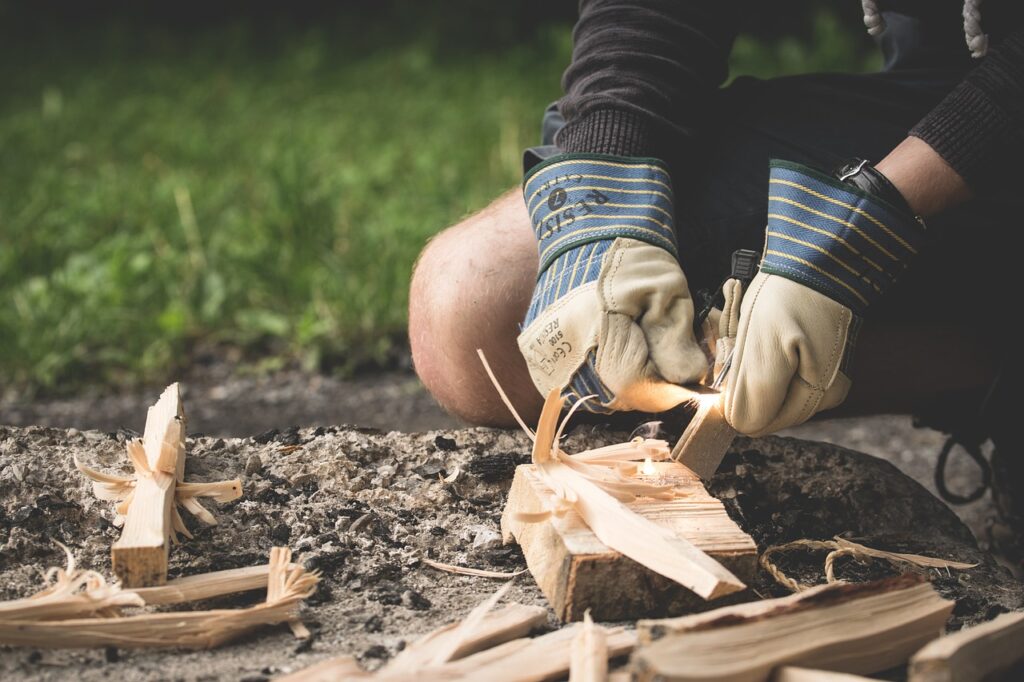
Choosing the right fire starter can greatly affect the success of your survival fire. While a lighter or matches are common and convenient fire starters, they may not be reliable in adverse conditions. Consider carrying a magnesium fire starter as a backup option. These fire starters create sparks that can easily ignite the tinder. Another option to consider is a fire piston, which uses compression and tinder to create a flame. It is important to practice using these fire starters before relying on them in a survival situation to ensure efficiency and effectiveness.
Mastering Fire Ignition Techniques
Knowing various fire ignition techniques is essential for building a long-lasting survival fire. Direct flame ignition involves using a lighter or matches to ignite the tinder directly. This method is quick and effective in favorable conditions. Friction-based methods, such as using a fire bow or fire plow, require rubbing two dry pieces of wood together to create friction and generate enough heat to ignite the tinder. Solar ignition techniques utilize the power of the sun to focus light onto the tinder, creating enough heat to start a fire. It is essential to practice these techniques in advance to master the skills needed for successful fire ignition.
Properly Maintaining the Fire
Once the fire is ignited, it is crucial to properly maintain it to ensure it lasts overnight. Regularly add small amounts of tinder to keep the fire burning. Gradually feed larger pieces of kindling to sustain the fire and maintain its intensity. Proper ventilation is essential for a steady and long-lasting fire, so ensure there is enough airflow to keep the flames alive. Monitor the fire closely and adjust the fuel as needed to maintain the desired heat and flame size. By following these maintenance practices, you can keep your survival fire going throughout the night.
Building a Sustainable Firewood Reserve
In a survival situation, it is important to be mindful of the natural resources around you. Building a sustainable firewood reserve involves scouting the area for firewood sources. Look for dead and fallen branches that are dry and can be easily broken into suitable sizes for the fire. It is crucial to respect the ecosystem and only gather what is necessary. Avoid cutting down live trees or damaging the environment. By being responsible and sustainable in your firewood collection, you can ensure that there will be enough resources for future fires.
Extinguishing the Fire Safely
Extinguishing the fire safely is just as important as building it. Allow the fire to burn down naturally until there are only embers left. Use a stick or shovel to spread the embers and ashes evenly. Next, pour water over the fire pit, making sure to fully saturate the area. Stir the ashes and embers with a stick or shovel to ensure all remaining heat is extinguished. Repeat the process of pouring water and stirring until there are no signs of smoke or heat remaining. By following these steps, you can safely and effectively extinguish your survival fire.
Safety Precautions and Guidelines
When building and maintaining a survival fire, it is crucial to prioritize safety. Always have a water source nearby, such as a bucket or water bottle, to quickly extinguish the fire if needed. Clear a safe area around the fire pit, removing any flammable materials or debris. This helps prevent the fire from spreading and causing unintentional damage. Attend the fire at all times and never leave it unattended, as even small fires can quickly escalate. Use fire-resistant gloves when handling hot materials to protect yourself from burns. Lastly, know and follow local fire regulations to ensure you are adhering to any specific guidelines or restrictions in the area.
In conclusion, building a long-lasting survival fire requires careful consideration of the location, gathering the right materials, proper preparation of the fire pit, creating a suitable fire lay, and using the right fire starter. Mastering fire ignition techniques and proper maintenance are crucial for keeping the fire burning throughout the night. Being mindful of the environment and building a sustainable firewood reserve helps preserve resources for future fires. Safely extinguishing the fire and following safety precautions are essential for a successful and responsible fire-building experience. By following these guidelines, you can confidently build a survival fire that will last overnight and provide warmth, light, and security in challenging situations.