
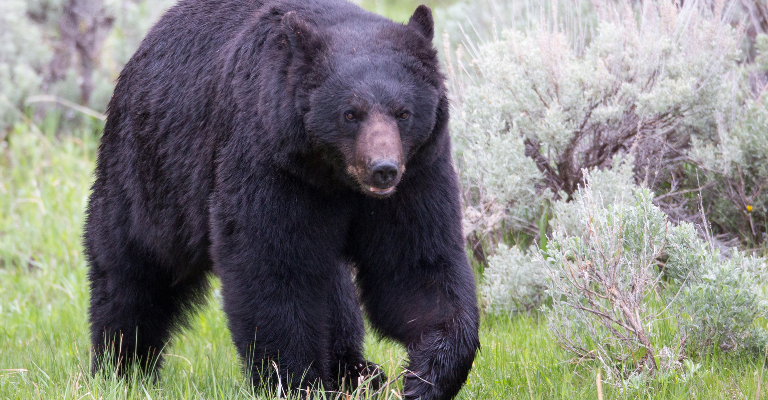
Encountering a wild animal can undoubtedly be a daunting situation, provoking fear and uncertainty. In this article, we will provide you with essential guidelines on how to handle such encounters, ensuring your safety and the preservation of the animal’s wellbeing. By adopting a proactive and informed approach, you can effectively navigate these encounters, minimizing potential risks and fostering a harmonious coexistence between humans and wildlife.
Identify The Type of Animal
Observe the animal’s physical characteristics
When encountering a wild animal, the first step is to carefully observe its physical characteristics. Take note of the animal’s size, color, markings, and any distinguishing features. This will help you identify the species and determine its potential threat level. Be mindful of any signs of aggression or defensive behavior, such as bared teeth, raised fur, or a hunched posture.
Listen to the sounds the animal makes
Listening to the sounds the animal makes can provide valuable information about its behavior and intentions. Different species of animals have distinct vocalizations, such as growls, roars, chirps, or hisses. Pay attention to any warning sounds or signs of distress, which could indicate that the animal feels threatened or cornered.
Take note of the animal’s behavior
The behavior of the animal you encounter can reveal vital clues about its intentions and how it may react to your presence. Watch for signs of curiosity, fear, or aggression. Some animals may exhibit defensive behaviors such as vocalizing loudly, pacing, or making mock charges. Others may try to retreat or hide. Understanding the animal’s behavior can help you interpret its intentions and respond appropriately.
Assess The Situation
Determine the distance between you and the animal
Once you have identified the type of animal, it is important to assess the distance between you and the animal. Maintain a safe distance that allows you to closely observe the animal without provoking it. Keep in mind that different animals have different comfort zones, so the appropriate distance can vary based on the species and its behavior.
Evaluate your surroundings for potential escape routes
When encountering a wild animal, it is crucial to assess your surroundings for potential escape routes. Look for nearby paths, clearings, or objects that can be used as barriers. Familiarize yourself with the terrain to ensure you can easily move away from the animal if necessary. Being aware of your surroundings will help you maintain your safety during the encounter.
Consider the animal’s size and potential threat level
Consider the animal’s size and potential threat level when assessing the situation. Larger animals such as bears, cougars, or moose may pose a greater risk due to their size and strength. Smaller animals like skunks or raccoons may generally be less threatening but can still carry diseases. Understanding the potential threat level can help you decide on the appropriate course of action.
Stay Calm and Avoid Sudden Movements
Remain calm and composed
In any encounter with a wild animal, it is essential to remain calm and composed. Animals are often sensitive to human emotions and can react to fear or aggression. By staying calm, you signal to the animal that you are not a threat, reducing the likelihood of an aggressive response. Keep your voice low and avoid sudden movements that may startle the animal.
Avoid making direct eye contact with the animal
While it is important to observe the animal, avoid making direct eye contact. In the animal kingdom, direct eye contact is often interpreted as a threat or challenge. By avoiding direct eye contact, you show the animal that you are not a predator or a threat to its territory. Instead, use your peripheral vision to monitor the animal’s behavior while maintaining a relaxed gaze.
Back away slowly and cautiously if the animal is approaching
If the animal begins to approach you, it is crucial to back away slowly and cautiously. Avoid turning your back on the animal, as sudden movements may trigger a chase instinct. Move away in a calm and non-threatening manner, keeping a close eye on the animal’s behavior. This allows you to maintain control of the situation while avoiding provoking the animal further.
Do Not Approach or Feed the Animal
Keep a safe distance from the animal
One of the most important rules when encountering a wild animal is to keep a safe distance. No matter how docile or friendly an animal may seem, it is crucial to respect the boundaries between humans and wildlife. Even seemingly harmless animals can exhibit unpredictable behavior when they feel threatened or cornered. Stay at a distance that allows you to safely observe the animal without risking harm.
Avoid throwing food or objects at the animal
Under no circumstances should you throw food or objects at the animal. Feeding wild animals can lead to dependency, habituation, and alter their natural behavior. It can also lead to dangerous situations where the animal becomes overly comfortable around humans. Additionally, throwing objects at the animal may provoke an aggressive response, putting yourself and the animal at risk.
Do not attempt to touch or handle the animal
While it may be tempting to touch or handle a seemingly friendly animal, it is crucial to resist the urge. Wild animals are not accustomed to human contact, and attempting to touch or handle them not only disrupts their natural behavior but also puts you at risk of injury. Remember, these animals are not domesticated pets and can behave unpredictably when approached by humans.
Make Yourself Appear Larger
Raise your arms or open your jacket to increase your size
When encountering a potentially threatening wild animal, making yourself appear larger can help deter the animal and assert your dominance. Raise your arms above your head or open your jacket wide to make yourself appear larger than you actually are. This visual display can make the animal perceive you as a more formidable opponent, reducing the likelihood of an attack.
Stand tall and maintain an upright posture
In addition to making yourself physically larger, it is important to stand tall and maintain an upright posture. Avoid slouching or crouching, as this can make you appear smaller and more vulnerable. Stand your ground and project confidence through your body language. Animals often assess their potential adversaries based on their posture, so maintaining an upright stance sends a clear message.
Try to appear as confident and intimidating as possible
Confidence and assertiveness can go a long way in deterring a wild animal. While it may be challenging, try to appear as confident and intimidating as possible. Use a firm voice, avoid any signs of fear, and project a sense of control over the situation. Remember, animals are more likely to target prey that appears weak or vulnerable, so projecting confidence can help keep you safe.
Create Distance and Establish Boundaries
Create space between you and the animal
Creating space between you and the animal is crucial to ensure your safety. Slowly back away, maintaining a safe distance at all times. By putting distance between yourself and the animal, you reduce the risk of it feeling threatened or provoked. Be mindful of the animal’s behavior and adjust your movement accordingly to maintain a safe buffer zone.
Use objects or natural barriers to separate yourself from the animal
If available, use objects or natural barriers to separate yourself from the animal. This can provide an additional layer of safety, as physical barriers can discourage the animal from advancing towards you. Trees, large rocks, or even a car can serve as effective barriers that create a visual obstacle between you and the animal. Be cautious and choose obstacles that are sturdy and won’t easily be breached by the animal.
Establish clear boundaries to prevent the animal from advancing
Establishing clear boundaries can help prevent the animal from advancing closer to you. If you have access to rope or tape, create a perimeter around yourself to mark a distinct boundary. Animals generally have a natural instinct to avoid crossing boundaries, especially those that have been clearly established. This strategy can serve as a deterrent and discourage the animal from approaching further.
Make Noise or Use Deterrents
Yell, clap, or make loud noises to scare the animal away
If the animal continues to approach despite your attempts to create distance, it may be necessary to make loud noises to scare it away. Yell, clap your hands, or use any available objects to create a loud and sudden noise. This can startle the animal and prompt it to retreat. Be persistent and avoid ceasing your noise-making until the animal has clearly backed off.
Use deterrents such as a whistle or air horn
Carrying a whistle or air horn can be an effective deterrent when encountering a wild animal. These devices emit loud, high-pitched sounds that can startle and intimidate the animal, causing it to flee. Make sure to keep the whistle or air horn easily accessible, such as attached to your backpack or belt, so that you can quickly deploy it in case of an encounter.
Carry bear spray or other appropriate animal deterrents if available
In regions with known populations of potentially dangerous wildlife, it is advisable to carry animal deterrents such as bear spray. Bear spray is a type of pepper spray formulated specifically for deterring bears and other wildlife. Familiarize yourself with the proper use of bear spray and carry it in a holster or pocket for easy access. Remember, proper training and understanding of the specific animal deterrent you are using is crucial.
Back Away Slowly and Safely
Maintain eye contact with the animal while slowly retreating
While slowly retreating from the animal, it is important to maintain eye contact as much as possible. Direct eye contact communicates confidence and indicates that you are not an easy target. However, be cautious of the animal’s body language and react accordingly. If the animal shows signs of aggression or begins to advance, adjust your retreat strategy and prioritize your safety over eye contact.
Avoid turning your back on the animal
It is crucial to avoid turning your back on the animal at any point during your retreat. Many animals, especially predators, have a natural instinct to chase anything that is running away. By keeping the animal in your sight and avoiding turning your back, you minimize the risk of triggering a chase response. Remain focused on the animal’s behavior while prioritizing your safety.
Continue to create distance until you reach a safe area
Continue to create distance between yourself and the animal until you reach a safe area. This may mean carefully moving to higher ground, seeking shelter, or finding a location where you can make a definitive escape. Be mindful of your surroundings and choose a safe area that provides physical barriers or access to help if needed. Do not stop retreating until you are confident you have reached a secure location.
Seek Professional Help if Necessary
Contact local wildlife authorities or animal control
If you encounter a wild animal that poses an immediate threat to your safety or exhibits unusual behavior, it is important to seek professional help. Contact your local wildlife authorities or animal control to report the encounter and request assistance. These professionals are trained to handle wildlife encounters and can provide guidance on the best course of action based on the circumstances.
Report the encounter and provide a detailed description
When contacting local wildlife authorities or animal control, it is crucial to provide a detailed description of the encounter. This includes information such as the species of the animal, its behavior, the location of the encounter, and the date and time it occurred. The more information you can provide, the better equipped the authorities will be to respond effectively.
Follow their instructions and guidance for further action
Once you have reported the encounter, it is important to follow the instructions and guidance provided by the local wildlife authorities or animal control. They may provide specific measures to ensure your safety and the appropriate handling of the situation. Cooperate fully with their instructions, as they have the expertise and experience to manage wildlife encounters in a safe and responsible manner.
Learn About Wildlife Behavior and Habits
Educate yourself about common local wildlife species
To better prepare for potential encounters with wild animals, it is important to educate yourself about the common local wildlife species in your area. Understand which animals are prevalent and familiarize yourself with their characteristics. This knowledge will help you anticipate encounters and make informed decisions in the event of a wildlife encounter.
Understand their behaviors and habits to better anticipate encounters
Along with understanding the species, it is equally important to understand the behaviors and habits of local wildlife. Different animals have unique patterns of behavior that can help you anticipate their actions. For example, knowing when certain species are most active or where they typically feed can help you avoid those areas or take extra precautions during those times.
Take precautions and avoid areas with high wildlife activity
Armed with knowledge about local wildlife, their behaviors, and habits, take precautions to minimize the likelihood of encountering them. Avoiding areas with high wildlife activity, especially during mating or nesting seasons, can greatly reduce your chances of an encounter. Be mindful of signs or warnings posted by local authorities regarding wildlife activity and adjust your plans accordingly.
Encountering a wild animal can be a daunting experience, but following these guidelines can help you navigate such situations safely and responsibly. By identifying the type of animal, assessing the situation, remaining calm, and taking appropriate actions, you can ensure both your own well-being and the preservation of wildlife habitats. Remember, understanding and respecting the boundaries between humans and wildlife is essential for both our safety and the conservation of these remarkable creatures.