

Survival hunting, a primal activity that dates back to our ancestors, continues to exist in today’s modern world. However, this age-old practice is not exempt from legal and ethical considerations. When engaging in survival hunting, it is crucial to comprehend and adhere to the laws that govern this activity, as well as the moral obligations we have towards the animals we hunt. This article explores the nuanced aspects of survival hunting, examining its legal framework and delving into the ethical considerations that hunters must navigate. By gaining a comprehensive understanding of these factors, you can embark on this ancient tradition with a heightened sense of responsibility and respect for both the law and the natural world.

Legal Considerations
Definition of survival hunting
Survival hunting is the practice of hunting for food and resources to sustain oneself in a survival situation. It encompasses the act of hunting and gathering game, including animals and fish, for immediate sustenance rather than recreational or sport purposes. Survival hunting involves utilizing skills and techniques to procure food when other alternatives are not readily available.
Permits and licenses
When it comes to survival hunting, understanding the importance of permits and licenses is crucial. In many jurisdictions, specific permits and licenses are required for hunting, even in survival situations. These documents ensure that hunters are operating legally and responsibly. They often serve to regulate the number of animals harvested, maintain population balance, and protect sensitive ecosystems.
Hunting regulations
Hunting regulations play a vital role in ensuring the conservation and sustainability of wildlife populations. These regulations are put in place to control hunting activities, including species-specific bag limits and designated hunting seasons. By establishing clear guidelines, hunting regulations help prevent overhunting, maintain healthy populations, and protect the overall integrity of ecosystems.
Protected species and endangered animals
Protected species and endangered animals are afforded legal protections to prevent their exploitation or extinction. Understanding the identification of these species is crucial to avoid unintentionally hunting them in survival situations. Hunting protected or endangered animals can result in severe legal consequences and contribute to the decline of already vulnerable populations. Awareness of these species and their legal protections is essential for responsible survival hunting.
Public and private land rights
Survival hunting often takes place on both public and private lands, and understanding the distinctions between the two is critical. Public lands are owned by the state or federal government and are accessible to the public for various activities, including hunting. Private lands, on the other hand, are owned by individuals or organizations and may require permission to hunt. Knowing the rights, permissions, and responsibilities associated with hunting on public and private lands ensures compliance with the law and respectful use of these resources.
Ethical Considerations
Respect for life
Respecting the life of the animals hunted is a fundamental ethical consideration in survival hunting. Recognizing their sacrifice for sustenance is essential, and hunters should approach hunting with a sense of reverence and gratitude. It is crucial to minimize unnecessary suffering and ensure a swift, humane kill. Respect for life encompasses not only the animals themselves but also the ecosystems they are part of, recognizing the interconnectedness of all living beings.
Sustainable hunting practices
Sustainable hunting is a principle that aims to maintain healthy wildlife populations and preserve ecosystems for future generations. This requires hunters to prioritize responsible practices that do not deplete animal populations or harm their habitats. Sustainable hunting involves understanding population dynamics, participating in conservation efforts, and contributing to the overall ecological balance. By engaging in sustainable hunting practices, hunters can ensure the availability of resources for survival hunting in the long term.
Native and traditional hunting rights
Native and traditional hunting rights are important considerations within the context of survival hunting. Indigenous peoples have historically relied on hunting for survival, and their cultural and traditional practices should be respected. These rights often have legal protections, recognizing the historical, cultural, and spiritual significance of hunting for these communities. It is essential to understand and respect the rights of indigenous peoples when engaging in survival hunting practices.
Impact on ecosystems
Survival hunting can have both positive and negative impacts on ecosystems. When conducted responsibly, hunting can contribute to ecosystem health and balance by managing wildlife populations and limiting overgrazing. However, irresponsible or excessive hunting can disrupt ecological systems, leading to imbalances and negative consequences for other species. Understanding the potential impacts of survival hunting on ecosystems is crucial in ensuring responsible practices that minimize harm.
Animal welfare and cruelty concerns
Animal welfare and the avoidance of unnecessary suffering are paramount ethical considerations in survival hunting. Practices that prioritize humane hunting techniques, such as accurate shot placement and the use of appropriate weaponry, are essential. Hunters should continuously strive to minimize suffering, ensuring a swift and humane kill. Engaging in fair chase, where animals have a reasonable chance to escape, also promotes ethical hunting practices that prioritize sportsmanship and respect for the animal.
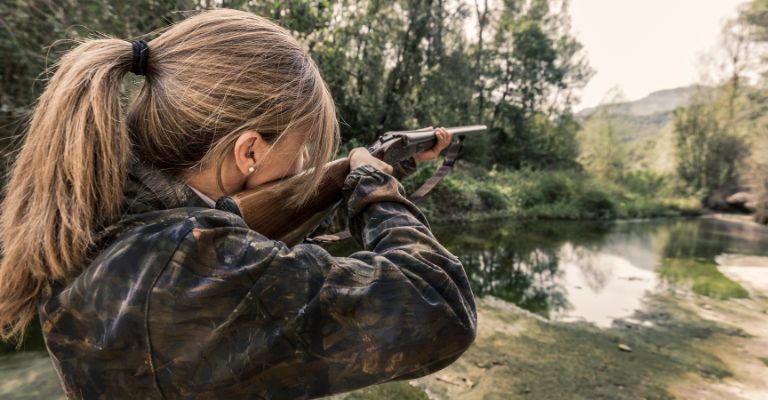
Definition of survival hunting
Explanation of survival hunting
Survival hunting is the act of hunting for sustenance in emergency or survival situations. It involves procuring food and resources directly from nature to meet immediate survival needs. Survival hunting often occurs when individuals find themselves in remote or wilderness environments without access to conventional food sources. It is driven by necessity rather than recreational or sport hunting purposes.
Distinction from recreational hunting
While recreational hunting may share some similarities with survival hunting, there are distinctive differences between the two. Recreational hunting is pursued primarily as a leisure activity, often with the intent of obtaining trophies or engaging in outdoor experiences. Survival hunting, on the other hand, is solely driven by the need for sustenance and survival. It focuses on procuring food and resources to ensure immediate survival in challenging circumstances.
Necessity-driven aspect
The necessity-driven aspect sets survival hunting apart from other forms of hunting. In survival situations, individuals may rely on hunting to secure sustenance when traditional food sources are unavailable. It requires individuals to possess the skills, knowledge, and equipment necessary to locate, track, and harvest game effectively. Unlike recreational hunting, survival hunting is driven by urgency and the vital need to acquire food for survival.
Permits and licenses
Importance of permits and licenses
Permits and licenses are essential in survival hunting, even in emergency situations. These legal documents serve multiple purposes, including regulating hunting activities, managing wildlife populations, and ensuring responsible and sustainable practices. By obtaining the necessary permits and licenses, hunters demonstrate their commitment to adhering to legal requirements and contribute to the overall conservation efforts.
Types of permits required for survival hunting
The specific permits required for survival hunting may vary depending on the jurisdiction. In some cases, general hunting licenses may be sufficient, while others may require specialized permits for specific game or regions. It is crucial to research and understand the local or regional hunting regulations to identify the specific permits needed for survival hunting.
Legal requirements for obtaining permits
Acquiring permits for survival hunting generally involves fulfilling certain legal requirements. These requirements may include completing a hunter education course, meeting age restrictions, and paying applicable fees. Additionally, hunters may need to pass specific tests or examinations to demonstrate their knowledge and understanding of hunting laws and safety practices.
Documentation and reporting obligations
Survival hunters are often required to maintain documentation and fulfill reporting obligations to authorities. This may include recording the details of harvested animals, such as species, size, and location, and reporting this information to regulatory agencies. Complying with documentation and reporting obligations ensures transparency, accountability, and the ability to track hunting activities for conservation and management purposes.
Hunting regulations
Overview of hunting regulations
Hunting regulations encompass a wide range of rules and guidelines designed to manage and control hunting activities. These regulations are typically developed at the local, state, or national levels and serve important conservation and safety purposes. They dictate aspects such as bag limits, hunting seasons, weapon usage restrictions, and hunting techniques, ensuring responsible and sustainable hunting practices.
Region-specific regulations
Hunting regulations can vary significantly depending on the region, state, or country. It is essential for survival hunters to familiarize themselves with the specific regulations and requirements applicable to their location. This includes understanding hunting seasons, bag limits, species-specific restrictions, and any additional regulations governing hunting practices. Adhering to region-specific regulations is crucial to avoid legal consequences and promote conservation efforts.
Bag limits and hunting seasons
Bag limits and hunting seasons form an integral part of hunting regulations. Bag limits establish the maximum number of animals that can be harvested by an individual hunter or within a specific timeframe. These limits aim to prevent excessive hunting, maintain sustainable populations, and avoid negative impacts on ecosystems. Hunting seasons dictate the specific periods within which hunting is allowed for different species, considering biological factors and conservation needs.
Restrictions on weapon usage
Hunting regulations often include restrictions on the types of weapons that can be used for hunting. These restrictions may involve guidelines on firearms, bows, or other hunting equipment. The purpose behind these regulations is to ensure ethical and humane kills, maintain safety standards, and prevent undue suffering to the targeted animals. Understanding and complying with weapon usage restrictions is essential for responsible survival hunting.
Hunting methods and techniques
Regulations related to hunting methods and techniques refer to the acceptable practices for harvesting game. These regulations may include restrictions on baiting, trapping, use of dogs, or other hunting techniques. By establishing guidelines for hunting methods, regulations aim to promote fair chase, respect for wildlife, and safety for both hunters and non-target species. Adhering to these regulations ensures responsible and ethical survival hunting practices.
Protected species and endangered animals
Identification of protected species
It is vital for survival hunters to be able to identify protected species to avoid unintentionally hunting them during survival hunting activities. Protected species are those that require special legal protections due to their vulnerable status or environmental significance. Different jurisdictions may have different lists of protected species, which may include endangered or threatened animals, migratory birds, or iconic species. Understanding and recognizing these species is crucial to prevent violations and contribute to conservation efforts.
Conservation efforts and legal protection
Protected species are often the focus of conservation efforts due to their ecological importance or critically low populations. These species may be protected through national or international legislation to regulate and prevent their exploitation or extinction. Hunting or harvesting protected species without the appropriate permits or legal authorization can have severe legal consequences. By respecting and upholding legal protections, survival hunters contribute to the overall conservation goals and efforts.
Ethical dilemmas surrounding endangered species
The intersection between survival hunting and endangered species presents complex ethical dilemmas. While survival hunting may be driven by the need for sustenance, hunting endangered species poses significant concerns. The ethical considerations include the impact of hunting on already vulnerable populations, the potential disruption of ecological balance, and the compliance with legal protections. Ethical survival hunting requires a deep understanding of these complexities and a commitment to act in accordance with conservation principles.
Impact of survival hunting on endangered animals
Survival hunting can potentially impact endangered animals, directly or indirectly. Indiscriminate hunting practices or the targeting of specific species can directly worsen the conservation status of endangered animals. Additionally, survival hunting can indirectly impact endangered animals through the disturbance of ecosystems or habitat destruction. Awareness of the potential impacts of survival hunting on endangered animals is necessary to ensure responsible and informed decision-making in survival situations.
Public and private land rights
Distinction between public and private land
Understanding the distinction between public and private land is essential for survival hunters. Public land is typically owned and managed by the government and is accessible to the general public. Private land, on the other hand, is owned by individuals, organizations, or indigenous communities. Access, hunting rights, and regulations may differ depending on whether one is hunting on public or private land, making it crucial to be aware of the legal framework surrounding each type of land.
Access rights and permissions
Access rights and permissions may vary between public and private land and depend on the jurisdiction. Public land, such as national parks or state forests, often provides access for hunting, but specific rules and permits may still be required. Private land access typically requires obtaining permission from the landowner or lessee. Permission may be granted through leases, licenses, or agreements but is subject to the landowner’s decisions and any associated conditions.
Hunting on public land
Hunting on public land generally requires compliance with specific regulations and permits. These regulations may include restrictions on designated hunting areas, safety guidelines, and reporting obligations. Understanding and adhering to public land regulations are essential to ensure responsible and lawful hunting practices. Additionally, being mindful of other recreational users of public land is important to maintain positive relationships and promote responsible land use.
Hunting on private land with owner consent
Hunting on private land necessitates obtaining permission from the landowner or lessee. With the landowner’s consent, survival hunters must comply with any conditions or restrictions set by the landowner. This may involve restrictions on the hunting area, the number of animals harvested, or specific behaviors while on the property. Building positive relationships with landowners and respecting their rights and conditions is crucial in securing continued access to private land for survival hunting.
Liabilities and responsibilities
Survival hunters have liabilities and responsibilities when accessing and hunting on both public and private land. This includes adhering to legal requirements, respecting hunting regulations, and being mindful of environmental impacts. Liability may arise if hunters engage in careless or negligent behaviors that result in property damage, injuries, or negative ecological consequences. Being responsible, respectful, and law-abiding is essential in minimizing liabilities and fulfilling the obligations associated with hunting on various types of land.
Respect for life
Value of life in survival hunting
Survival hunting necessitates an understanding and appreciation of the value of life. This includes recognizing the inherent worth and dignity of animals and the ecosystems they inhabit. Survival hunters must approach hunting with an acknowledgement of the interconnectedness of all living beings and an attitude of gratitude for the sustenance provided. Valuing life in survival hunting means minimizing waste, using harvested animals to their fullest potential, and acting with respect and humility towards the natural world.
Balancing necessity and ethical considerations
Balancing the necessity of survival with ethical considerations is a complex task in survival hunting. While the imperative to procure food may be immediate and critical, ethical considerations demand responsible and humane hunting practices. Survival hunters must strive to harmonize these two aspects by ensuring quick and humane kills, avoiding unnecessary suffering, and prioritizing sustainable practices. Balancing necessity and ethics requires thoughtful decision-making that respects the intrinsic value of life and safeguards the integrity of ecosystems.
Honoring the animal through responsible hunting
Responsible hunting goes beyond the mere acquisition of food; it involves honoring the animal through every step of the hunting process. This includes proper preparation and knowledge of hunting techniques, being proficient in the use of hunting equipment, and practicing accurate shot placement to minimize suffering. Additionally, responsible hunting involves utilizing all harvested parts of the animal, preventing waste, and respecting the natural cycles of life and death. By embodying these principles, survival hunters can demonstrate their commitment to ethical hunting practices and the overall respect for life.
Sustainable hunting practices
Understanding sustainable hunting
Sustainable hunting practices are crucial for the long-term viability of wildlife populations and ecosystems. Sustainable hunting seeks to strike a balance between the needs of human communities and the preservation of natural resources. This involves managing hunting pressure, considering reproductive rates and species vulnerabilities, and incorporating scientific data into decision-making processes. Understanding the principles behind sustainable hunting is essential for survival hunters aiming to minimize their ecological impact and contribute to the continuity of natural resources.
Population management
Population management plays a central role in sustainable hunting practices. It involves monitoring and maintaining wildlife populations within sustainable limits to prevent overexploitation. By considering factors such as reproductive rates, available food sources, and habitat suitability, wildlife managers can establish appropriate harvest quotas and hunting regulations. Surviving hunters should recognize the importance of population management and work within established frameworks to preserve the delicate balance between human needs and ecological health.
Conservation and preserving ecosystems
Preserving ecosystems is another key component of sustainable hunting practices. Survival hunters must consider the broader ecological implications of their actions and strive to minimize habitat degradation or disturbance. By adhering to hunting regulations, avoiding sensitive areas, and respecting the natural environment, survival hunters can actively contribute to the preservation of ecosystems. Recognizing the value of biodiversity and the interconnectedness of species enhances the effectiveness of sustainable hunting practices.
Promoting ecological balance
Sustainable hunting practices seek to maintain ecological balance by preventing overpopulation of certain species, mitigating damage caused by invasive species, and managing natural resource availability. Survival hunters should embrace this goal, as ecological imbalances can have detrimental effects on both wildlife populations and habitats. By actively participating in population management and adhering to sustainable hunting practices, survival hunters contribute to the overall health and stability of ecosystems.
Animal welfare and cruelty concerns
Ethical treatment of animals
Ethical treatment of animals is a core principle in survival hunting. Survival hunters must prioritize minimizing cruelty and ensuring humane killing methods. This includes using appropriate weaponry for swift and accurate kills and continuously striving to improve hunting skills. Ethical treatment of animals also involves minimizing pain and suffering by practicing accurate shot placement and avoiding techniques that may cause unnecessary harm. By embracing ethical treatment, survival hunters affirm their commitment to respect and compassion towards the animals they hunt.
Avoiding unnecessary suffering
Avoiding unnecessary suffering is a fundamental consideration in survival hunting. Survival hunters should prioritize clean and ethical kills that minimize pain and suffering for the hunted animal. This requires proficiency with hunting equipment, knowledge of animal anatomy, and accurate shot placement. Additionally, survival hunters should be prepared to take swift follow-up measures to prevent unnecessary suffering if an animal is not immediately incapacitated. Prioritizing avoidance of unnecessary suffering demonstrates empathy and compassion towards the animal kingdom.
Humane hunting practices
Humane hunting practices involve incorporating principles of both ethics and animal welfare into hunting activities. Survival hunters must be devoted to continually improving their hunting skills, refining their techniques, and using appropriate tools to ensure swift and humane kills. This includes understanding the limitations of their weaponry, practicing responsible shot selection, and honing tracking and stalking skills. By embracing and implementing humane hunting practices, survival hunters demonstrate their commitment to reducing animal suffering.
Debates on fair chase and sportsmanship
Fair chase and sportsmanship are subjects of ongoing debates within the hunting community. Fair chase refers to the ethical pursuit of game animals while providing them with a reasonable chance to evade hunters. It encompasses principles such as the use of fair and ethical hunting techniques, avoiding undue advantages, and respecting the inherent instincts and survival skills of animals. Sportsmanship reflects the ethical conduct and values of hunters, including respect for wildlife, compliance with hunting regulations, and appreciation for the pursuit rather than solely focusing on the outcome. Survival hunters should engage in these discussions and strive to uphold fair chase and sportsmanship ideals to promote responsible and ethical hunting practices.