

In emergency situations, being visible to rescuers is paramount for your safety. The ability to increase your visibility can significantly improve the chances of being found quickly, thus minimizing potential risks. This article provides practical tips and strategies that you can employ to enhance your visibility, helping rescuers locate you promptly and effectively. Remember, implementing these tips can make a pivotal difference in critical situations, ensuring that help arrives promptly when you need it most.
 Choosing Visible Clothing
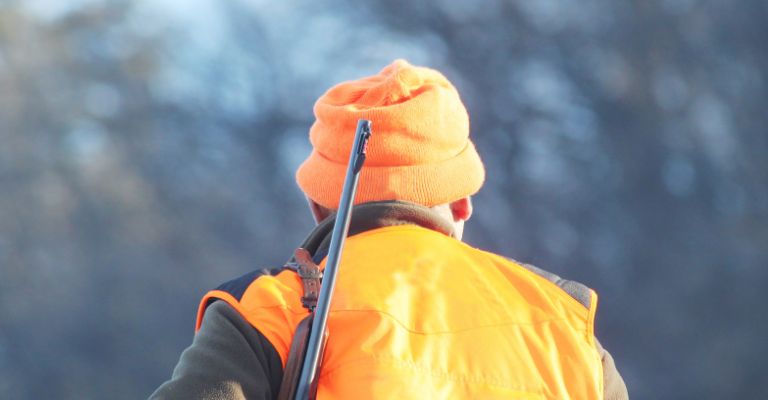
When it comes to choosing clothing for improved visibility, it is crucial to opt for brightly colored garments. Bright colors, such as neon yellow, orange, or pink, stand out against natural backgrounds and make it easier for rescuers to spot you from a distance. Avoid wearing camouflage or dark-colored clothing, as these colors blend into the surroundings and can potentially hinder rescue efforts. By selecting clothing in bright, eye-catching colors, you significantly increase your chances of being noticed by those searching for you. Additionally, consider using reflective tape on your clothing, especially if you find yourself in low light conditions. The reflective tape will reflect light and make you more visible to rescuers, even during nighttime or in areas with limited visibility.
Carrying a Whistle or Horn
Carrying a loud whistle or horn is essential for catching the attention of potential rescuers. These audible signaling devices can carry sounds over long distances, making them ideal for attracting attention in emergency situations. Whether you choose a whistle or a horn, ensure it produces a loud and distinctive sound. In case you get lost or find yourself in an emergency situation, use the whistle or horn in short bursts. Short bursts of sound are more effective in grabbing the attention of rescuers compared to continuously blowing the whistle or horn. By having a whistle or horn at hand, you have a reliable and easily noticeable way to alert others of your presence and your need for help.
Carry a Signal Mirror
A lightweight and compact signal mirror is a valuable tool to include in your survival kit. Signal mirrors reflect sunlight towards potential rescuers and can be seen from great distances. When using a signal mirror, position yourself so that the mirror can reflect sunlight directly towards the direction where you believe rescuers might be located. To maximize the effectiveness of the signal mirror, practice aiming the reflection in advance, ensuring you can accurately direct the beam of light towards potential rescuers. By having a signal mirror as part of your emergency gear, you significantly enhance your visibility to rescue teams and increase your chances of being found swiftly.
Using Flares or Signal Lights
Flares or signal lights can play a vital role in attracting the attention of rescuers, especially during nighttime or in low visibility conditions. These compact and portable devices emit highly visible and bright lights that stand out against the darkness or other background environments. It is crucial to carry flares or signal lights in your survival kit and familiarize yourself with the instructions for proper usage. Make sure to follow the recommended safety procedures when operating flares or signal lights to avoid any accidents or unintended consequences. By being equipped with flares or signal lights, you have a reliable method to alert rescue teams to your location swiftly.
 Creating Signal Fires
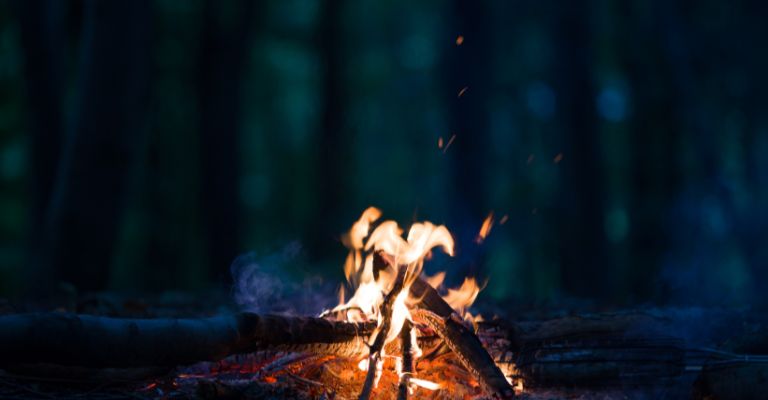
Building a signal fire can be an effective way to communicate your location to rescuers during the day or night. To create a signal fire, find an open area with minimal vegetation where the fire can be seen easily without being a danger to yourself or your surroundings. Use green leaves or grass to create smoke, which can be highly visible against the sky or surroundings. Additionally, stacking rocks or logs in a specific pattern can serve as a recognizable signal to potential rescuers. Ensure the signal fire is continuously monitored and maintained to prevent any unintended consequences, such as wildfires. By knowing how to build and maintain a signal fire correctly, you increase your chances of being noticed and rescued.
Utilizing Reflective Materials
Attaching reflective materials, such as reflective tape or patches, to your backpack or gear can significantly enhance your visibility to rescuers. These materials reflect light, making you more noticeable even in low light conditions or when search teams are using flashlights or spotlights. Additionally, using reflective markers to guide rescuers to your location can be highly effective. By strategically placing these markers, you create a path that leads rescuers directly to you. When using reflective materials, ensure that they are securely fastened to your gear and backpack to prevent them from falling off during movement or adverse weather conditions. By incorporating reflective materials into your equipment, you improve your chances of being located and rescued in a timely manner.
Making Noise
Another method to increase your visibility to rescuers is by creating noise. Periodically shouting or yelling for help can alert those nearby to your presence and the need for assistance. By making your voice heard, you provide important auditory cues for search teams to follow. Additionally, banging two rocks or objects together can create loud noises that carry over greater distances. These sharp and distinctive sounds can attract the attention of potential rescuers who may be in the vicinity. However, it is essential to remember that creating noise should be done periodically and not continuously to conserve your energy and resources. By utilizing vocal communication and creating loud noises, you improve your chances of being heard and found.
Using a Personal Locator Beacon
Carrying a personal locator beacon (PLB) with GPS capability is a highly effective way to increase your visibility to rescuers. When activated in a safe location, a PLB sends a distress signal to search and rescue authorities, providing them with your exact position. PLBs are reliable and easy to use, typically requiring minimal effort to activate. By having a PLB as part of your emergency gear, you drastically reduce the time it takes for rescuers to locate and reach you, increasing your chances of a timely rescue.
Creating Ground-to-Air Signals
When on the ground, you can utilize rocks or logs to create large arrows or messages that are visible from the air. By arranging these contrasting materials in recognizable patterns or spelling out distress messages, you provide an easily identifiable indicator of your location to search teams using aircraft or drones. The use of contrasting materials, such as light-colored rocks against a darker background or dark logs against light-colored ground, further enhances the visibility of these signals. By understanding how to create ground-to-air signals and their importance, you significantly improve your chances of being noticed and rescued from above.
Stay in Open Areas
Staying in open areas is crucial for increasing your visibility to rescuers. Dense vegetation, forests, or canyons can obstruct visibility, making it challenging for search teams to spot you. By staying in open areas, you increase your chances of being seen by rescuers both on the ground and from the air. Avoid venturing into areas with dense vegetation or deep canyons, as these locations can hinder rescue efforts. By remaining in clear and open spaces, you maximize your visibility and the likelihood of being located and rescued promptly.
In conclusion, increasing your visibility to rescuers is vital in emergency situations where every second counts. By carefully selecting brightly colored clothing, carrying signaling devices such as whistles or horns, using signal mirrors or flares, creating signal fires, utilizing reflective materials, making noise periodically, carrying a personal locator beacon, creating ground-to-air signals, and staying in open areas, you significantly enhance your chances of being found swiftly and rescued from dangerous situations. Prioritizing visibility and implementing these techniques can make all the difference when it comes to a successful rescue operation.