
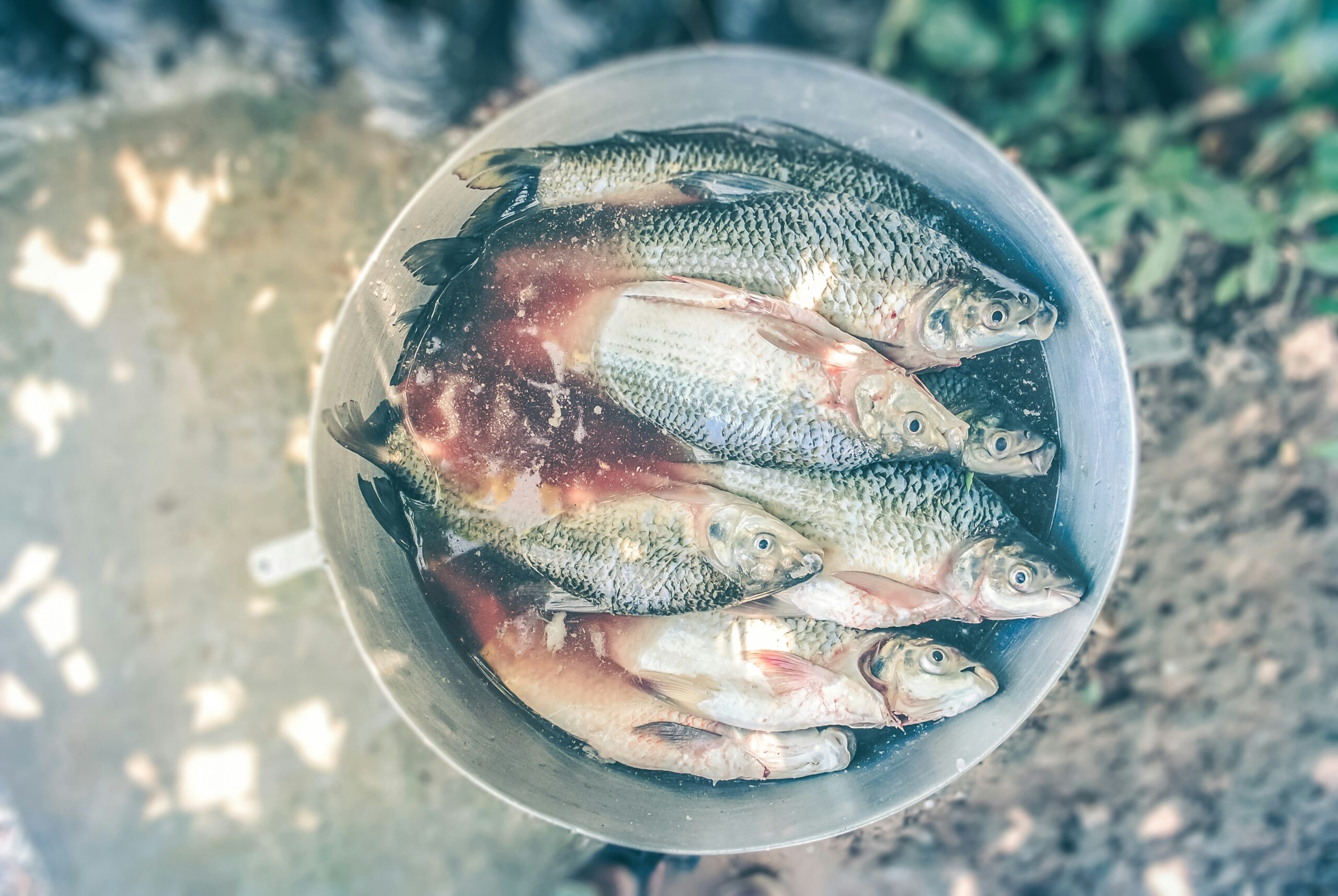
In the vast and untamed wilderness, one must possess the knowledge and skills necessary to safely prepare and store food. Without the conveniences and amenities of a modern kitchen, ensuring that your meals are not only delicious but also free from spoilage becomes paramount. This article provides invaluable tips on how to navigate the challenges of preparing and storing food in the wild, allowing you to savor your culinary creations with peace of mind. From proper food handling techniques to innovative storage solutions, these insights will equip you for a successful and enjoyable journey into the heart of nature.
Tips for Safely Preparing and Storing Food in the Wilderness
When you’re venturing into the wilderness, it’s crucial to properly prepare and store food to prevent spoilage and ensure your safety. From choosing the right food to proper waste disposal, each step plays a significant role in maintaining the quality and safety of your food. Follow these tips to make the most out of your wilderness culinary adventures.
1. Choosing the Right Food
Consider Nutritional Value
When selecting food for your outdoor adventure, consider the nutritional value of each item. Focus on foods that provide a good balance of carbohydrates, proteins, and fats. Pack items that are rich in essential vitamins and minerals to support your energy needs during physical activities.
Opt for Non-Perishable Food
Choose non-perishable food items that can withstand the challenges of the wilderness. Look for foods with long shelf lives and those that are resistant to spoilage. Canned goods, dehydrated fruits and vegetables, and freeze-dried meals are all great options as they can be stored for extended periods without refrigeration.
Choose Lightweight and Compact Options
When weight and space are at a premium, opt for lightweight and compact food options. Consider meals that can be easily rehydrated with water or those that require minimal cooking. These choices will ensure your pack remains manageable while still providing sustenance during your outdoor activities.
Take Dietary Restrictions into Account
If you have specific dietary restrictions, such as allergies or intolerances, it is vital to choose food that accommodates these needs. Ensure that the products you select are free from any potential allergens or substances that may cause discomfort. Prioritize the safety and well-being of both you and your fellow adventurers by thoroughly checking food labels and researching ingredients.
2. Meal Planning
Meal Plan in Advance
One of the keys to a successful wilderness trip is proper meal planning. Take the time to plan your meals in advance, considering the length of your outing and the number of people involved. Create a menu that includes a variety of flavors and nutrients to keep everyone satisfied and energized throughout the adventure.
Consider Shelf Life of Ingredients
Incorporate ingredients that have a longer shelf life into your meal plan. This will help prevent food spoilage and reduce the risk of illness. Consider options such as dried beans, rice, pasta, and cured meats, which can stay fresh for extended periods without refrigeration.
Optimize for Minimal Cleanup
To minimize the effort required for cleanup, choose meals that require minimal preparation and cooking. Look for one-pot meals, where all the ingredients can be cooked together, reducing the number of dishes and utensils needed. Utilize foil-wrapped cooking techniques or dehydrated meals that only require adding hot water.
Calculate Portions and Calories
Ensure that you calculate the necessary portions and calories to sustain yourself throughout the trip. Take into account the energy requirements for the activities you plan to engage in, as well as the individuals’ unique needs. Avoid overpacking and wasting food by accurately estimating the quantities needed for each meal.
3. Proper Packing
Use Airtight Containers
To keep food fresh and prevent cross-contamination, pack your ingredients and meals in airtight containers. This will help preserve the flavor and quality of the food while creating a barrier against insects and other wilderness inhabitants.
Separate Raw and Cooked Food
To avoid the risk of foodborne illness, keep raw and cooked food separate. Pack raw meats, poultry, and seafood in sealed bags to prevent any potential leakage or contact with other food items. This separation will minimize the chances of cross-contamination and ensure the safety of your meals.
Pack Ingredients Individually
Pack each ingredient individually to optimize storage space and reduce the risk of spoilage. By separating ingredients into individual containers or bags, you can easily access and use only what you need while keeping the rest fresh and protected.
Consider Waterproof Packaging
When packing food for your wilderness adventure, consider using waterproof packaging for extra protection. It will shield your food from moisture and potential water damage during unexpected rain showers or unforeseen accidents, ensuring that your meals remain safe to consume.
4. Safe Water Sources
Identify and Treat Water Sources
Identify reliable water sources before your trip and familiarize yourself with the treatment methods necessary to ensure their safety. Utilize water purification tablets, filters, or UV sterilization devices to treat water from streams, lakes, or other natural sources. This extra precaution will safeguard you against waterborne diseases and contaminants.
Carry a Reliable Water Filter
Invest in a reliable water filter that meets your expedition’s specific needs. Portable water filters can remove bacteria, protozoa, and other harmful particles, making water safe for consumption. Choose a filter suitable for the type of water sources you anticipate encountering during your journey.
Boil Water for Safety
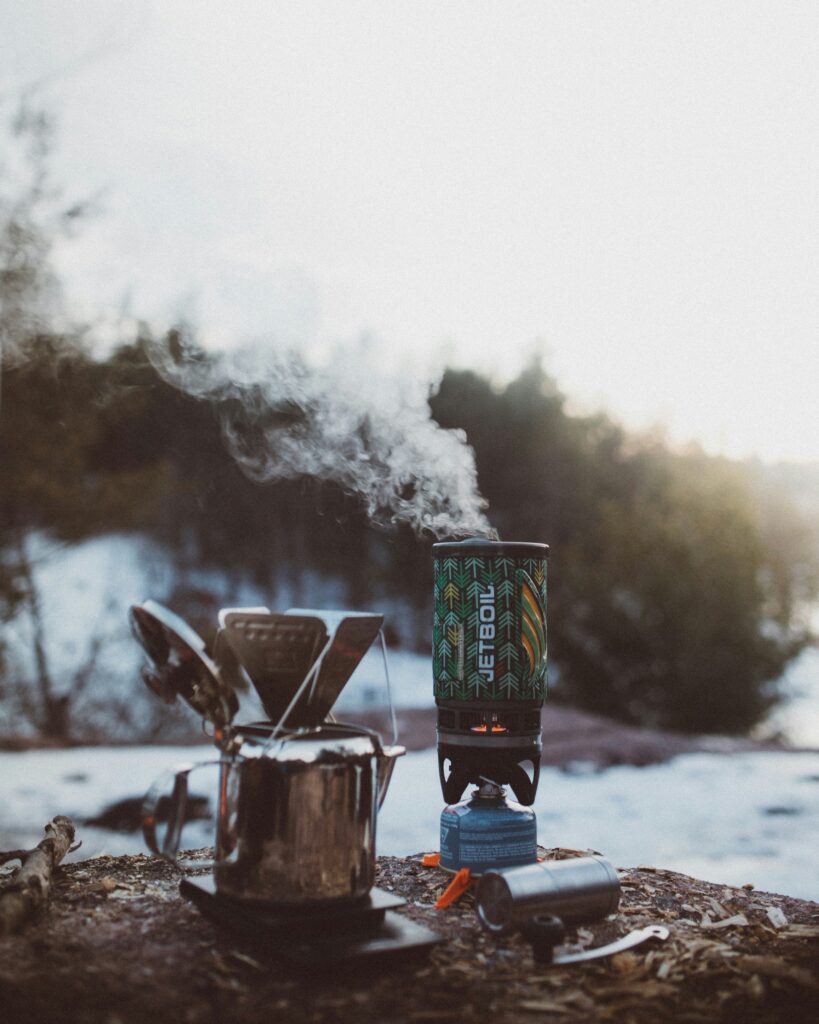
In situations where purification methods are not available or uncertain, boiling water is an effective way to make it safe to drink. Boil water vigorously for at least one minute to kill most microorganisms. Be sure to carry a stove or other cooking equipment capable of boiling water efficiently.
Avoid Contaminated Water
Always be cautious of potential water contamination. Avoid water from stagnant sources or those downstream of livestock activities. These waters may be tainted with harmful bacteria or chemicals, risking your health and compromising the taste of your meals.
5. Food Preparation Techniques
Practice Proper Hand Hygiene
Maintaining proper hand hygiene is essential when preparing food in the wilderness. Wash your hands thoroughly with biodegradable soap and clean water before handling any ingredients or touching a food container. If water is scarce, use hand sanitizer that contains at least 60% alcohol.
Clean Surfaces and Utensils
Before and after each use, clean all surfaces and utensils to prevent cross-contamination. Bring biodegradable soap and a scrub brush to wash cutting boards, knives, and other cooking utensils. Rinse them thoroughly with clean water, ensuring that no soap residue remains.
Use Separate Cutting Boards
To avoid cross-contamination between raw meat and other ingredients, use separate cutting boards. Designate one board for raw protein and another for fruits, vegetables, and other items. This simple step will lessen the risk of foodborne illnesses caused by bacteria present in raw meat.
Cook Thoroughly
Ensure that all food is cooked thoroughly before consumption. Use a food thermometer to check the internal temperature of meat and poultry, making sure they reach the minimum safe temperatures. Cooking food to the right temperature will kill any harmful bacteria and increase the overall safety of your meals.

6. Cooling and Fridge Alternatives
Utilize Insulated Coolers
Keeping food cool in the wilderness can be challenging without the luxury of refrigeration. Insulated coolers help maintain lower temperatures and preserve perishable items for longer durations, especially crucial in warmer climates. Use ice packs or frozen water bottles to further enhance cooling capabilities.
Use Frozen Items as Ice Packs
Instead of using traditional ice packs, freeze items like water bottles or pre-cooked meals and use them to cool your cooler. Not only will they serve as useful ice packs, but they will also provide additional meal options as they thaw.
Store Food in Shaded Areas
When setting up base camp or deciding where to store food during the day, choose shaded areas to minimize heat exposure. Direct sunlight can accelerate the spoilage process and increase the risk of bacterial growth. Keep your cooler or food containers in shaded spots to maintain a cooler temperature.
Consider Natural Cooling Techniques
In areas with access to running water, take advantage of natural cooling techniques. Submerge containers or bags of perishable food in cold streams, rivers, or lakes to keep them cool and fresh for a longer period. Be mindful of any potential contamination risks and use waterproof packaging for added protection.
7. Minimizing Food Waste
Plan for Leftovers
Minimize food waste by planning meals that allow for easy repurposing of leftovers. Incorporate ingredients that can be easily transformed into new dishes or combined to create satisfying meals for the following day. This practice will not only reduce waste but also save you time and effort in meal preparation.
Repackage Bulk Ingredients
When purchasing ingredients in bulk, repackage them into smaller airtight containers or sealed bags. This will help prevent spoilage and maintain the freshness of the remaining portion of the ingredients. Repackaging also saves space and allows for easier organization within your food storage system.
Avoid Overbuying
Estimate your food needs accurately to avoid overbuying and generating unnecessary waste. Consider the duration of your trip, the number of meals required, and the appropriate portion sizes. Overpacking leads to excess leftovers, which may eventually go to waste due to limited storage or spoilage.
Use First-In-First-Out Strategy
When storing food in your cooler or containers, follow the first-in-first-out (FIFO) strategy. This means consuming the oldest food items before newer ones to prevent spoilage and ensure that nothing goes to waste. Prioritize meals and ingredients that are closer to their expiration dates to maintain freshness and limit food waste.

8. Proper Waste Disposal
Dispose of Waste Properly
Proper waste disposal is not only a matter of cleanliness but also a crucial step in preserving the wilderness. Pack out all your waste, including food scraps, packaging, and any other non-biodegradable items. Use designated waste bags or containers and seal them securely to avoid leakage or attracting animals.
Follow Leave No Trace Principles
Adhere to Leave No Trace principles when disposing of waste. Dig a small hole called a “cat hole” at least 200 feet away from water sources, trails, and campsites to deposit human waste. Follow local regulations and guidelines for other types of waste, ensuring that you leave the environment as pristine as you found it.
Store Trash Securely
Keep all waste, particularly food waste, securely stored to prevent animals from accessing it. Utilize bear-resistant containers or hang food bags from trees if you’re in bear country. Animals are attracted to the scent of food and can cause significant problems if they gain access to your waste.
Avoid Attracting Animals
To minimize the chances of attracting wildlife, avoid cooking or eating near your sleeping area. Clean up thoroughly after meals, ensuring that no food crumbs or leftovers are left behind. This will help prevent unwanted animal encounters and ensure the safety of both you and the wildlife.
9. Wildlife and Food Safety
Store Food Away from Camp
To protect both your food and yourself, store your food away from your campsite. Choose a designated food storage area that is at least 200 feet away from your sleeping area. This distance minimizes the chance of animals being attracted to your campsite, reducing the risk of encountering dangerous wildlife.
Hang Food in Bear Bags
When camping in bear country, hanging your food in bear bags is an effective method of keeping it safe from bears and other wildlife. Use a sturdy rope and follow proper bear bag hanging techniques, ensuring that the bags are at least 10-15 feet off the ground and at least 4 feet from the tree trunk.
Use Bear Canisters in Bear Country
If hanging the food is not a feasible option or when regulations require it, use bear-resistant canisters to store your food. Bear canisters are specially designed containers that are difficult for bears to break into, helping to prevent wildlife from accessing your food and preventing potentially dangerous encounters.
Implement Bear Deterrent Techniques
In addition to proper food storage, be knowledgeable about bear deterrent techniques and implement them when necessary. Carry bear spray and understand how to use it effectively. Make noise while hiking to alert bears to your presence and prevent surprise encounters. Always prioritize your safety and respect the wildlife around you.
10. Regular Equipment Cleaning
Clean Cooking Utensils Thoroughly
Maintain hygiene by cleaning your cooking utensils thoroughly after each use. Use biodegradable soap and hot water to ensure that all remnants of food and grease are removed. Scrub utensils with a brush or sponge, paying attention to hard-to-reach areas, and rinse them thoroughly before drying.
Wash Dishes with Biodegradable Soap
When washing dishes in the wilderness, use biodegradable soap to minimize your environmental impact. Scrub each item with soap and hot water, removing all food particles and residue. Rinse the dishes thoroughly with clean water to eliminate any chance of soap contamination.
Disinfect Water Bottles Regularly
Water bottles are often used repeatedly during outdoor adventures, making it essential to disinfect them regularly. Clean them with hot, soapy water and rinse thoroughly. Use a mixture of water and a few drops of bleach to sanitize the bottles before air drying them in a clean and safe area.
Inspect and Maintain Equipment
Regularly inspect and maintain your cooking equipment to ensure its proper functionality. Check for any signs of damage or wear and tear. Clean any accumulated dirt or grime, paying close attention to burner heads and fuel connections. Properly maintained equipment is essential for both safety and the success of your outdoor cooking endeavors.
By following these comprehensive guidelines for preparing and storing food in the wilderness, you can enjoy delicious and safe meals during your outdoor adventures. Prioritize proper food selection, hygiene, waste management, and wildlife safety to make the most out of your experience while protecting both the environment and your well-being. Happy exploring!