

Imagine yourself stranded in the middle of a scorching desert, with no access to freshwater for miles. In this challenging situation, the importance of water becomes abundantly clear. Water is not just essential for survival; it is the key to survival itself. This article explores the significance of water in survival situations, highlighting the crucial role it plays in sustaining life and offering essential tips on how to survive without it. So, buckle up and get ready to uncover the secrets of surviving without water – a skill that could prove to be a true lifesaver in the most extreme circumstances.
Understanding the Importance of Water
Water is an essential element for the survival of all living organisms. Whether it’s humans, animals, or plants, water plays a crucial role in maintaining life. Without an adequate supply of water, the body’s functions can deteriorate, leading to severe health problems and even death.
Water is essential for all living organisms
Water is often referred to as the “universal solvent” because it’s capable of dissolving a variety of substances. For living organisms, water serves as a crucial medium for a vast array of biological reactions, allowing nutrients and minerals to be transported throughout the body. Whether it’s in the form of digestion, circulation, or waste elimination, water is a fundamental component in these processes.
In addition, water helps regulate body temperature. As you sweat, water from your skin evaporates, which cools down your body. This is especially important in hot and arid environments, as it prevents overheating and maintains thermal equilibrium to ensure optimal bodily functions.
Functions of water in the human body
Within the human body, water serves numerous vital functions. It aids in digestion by breaking down food particles and facilitating nutrient absorption in the intestines. Water also enables the transportation of oxygen and vital nutrients to cells, which they require for energy production and overall functionality.
Water is also essential for the removal of waste products from the body. Through urine, sweat, and even respiration, water is involved in the elimination of toxins and by-products of metabolic processes.
Furthermore, water acts as a lubricant for joints and tissues, reducing friction and allowing smooth movement. Without sufficient hydration, joints can become stiff, leading to discomfort and limited mobility.
Water balance and dehydration
Maintaining a proper balance of water in the body is crucial for overall health. Dehydration occurs when the body loses more water than it takes in, leading to an imbalance in bodily fluids. This can occur due to various factors, such as excessive sweating, vomiting, diarrhea, or inadequate fluid intake.
dehydration can have mild to severe consequences, depending on its severity. The early signs of dehydration include thirst, dry mouth, and dark-colored urine. If left untreated, it can progress to more severe symptoms like dizziness, fatigue, confusion, and even organ failure.
Identifying Sources of Water
In survival situations, finding sources of water is essential. Without access to a clean and reliable water supply, your chances of survival decrease significantly. It’s important to be resourceful and knowledgeable about potential sources of water in your environment.
Natural sources of water
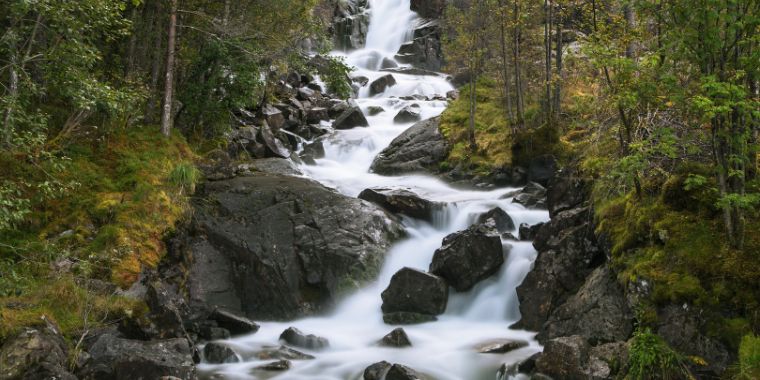
Nature provides various sources of water that can be identified and utilized in survival scenarios. Rivers, streams, and lakes are obvious choices for water sources. However, caution must be taken to ensure their safety and cleanliness, as bodies of water can be contaminated with pollutants, bacteria, or parasites.
Underground water sources, such as wells or springs, are generally safer options, as they are less likely to be contaminated by human activity. Surface runoff from rain or snowmelt can be collected in containers or natural depressions in the ground. These sources should be prioritized when searching for water in the wilderness.
Collecting rainwater
Rainwater is a valuable resource that can be collected during precipitation events. It’s relatively clean and can be stored for extended periods if collected properly. To collect rainwater, you can use various methods, such as setting up a rain barrel or constructing a makeshift tarpaulin or plastic sheeting to catch and direct the water into containers. It’s important to ensure that the collection system is clean and free from contaminants to avoid potential health risks.
Finding water in unexpected places
In water-scarce environments, it’s crucial to think outside the box and consider unconventional sources of water. Dew and condensation can be collected by creating simple traps using plastic sheets or cloth. Vegetation also contains water, and certain plants, such as cacti or succulents, can be a source of hydration in desert regions. By learning about the local flora and fauna, you can identify potential plant sources of water and extract moisture in times of need.
Purifying and Filtering Water
Not all water sources are safe for immediate consumption. In survival situations, it’s essential to purify and filter water to remove harmful contaminants and microorganisms.
Methods for purifying water
Boiling water is one of the most effective methods for killing bacteria, viruses, and parasites. By heating the water to its boiling point (100 degrees Celsius or 212 degrees Fahrenheit), you can ensure that most pathogens are eliminated. However, you should keep in mind that boiling water does not remove chemical contaminants or debris.
Portable water filters
Portable water filters are compact devices designed to remove impurities from water. They utilize various filtration methods, such as activated carbon filters or ceramic filters, to eliminate bacteria, protozoa, and some chemicals. These filters are lightweight and easy to carry, making them valuable tools in survival situations where access to clean water may be limited.
Chemical treatments for water
Chemical treatments, such as chlorine or iodine tablets, can be used to disinfect water and kill pathogens. These treatments are effective but may leave a taste or odor in the water. It’s important to carefully follow the instructions provided with the chemical treatment to ensure proper dosage and effectiveness.
Conserving Water
In water-scarce environments or survival situations, conserving water becomes crucial to ensure longevity and maximize available resources. By adopting water conservation practices, you can reduce water waste and make the most of your limited supply.
Importance of water conservation
Water conservation not only preserves a precious resource but also ensures that your water supply lasts longer. By minimizing unnecessary water usage, you can extend the time before you need to find additional water sources. Conserving water also contributes to environmental sustainability, especially in regions prone to drought or water scarcity.
Tips for conserving water in survival situations
- Use water sparingly when bathing or washing dishes, focusing on essential areas only.
- Avoid allowing water to run continuously while brushing your teeth or washing your hands.
- When cooking, try to use minimal water and find alternative cooking methods that require less water, such as steaming or one-pot cooking.
- Reuse water whenever possible, such as using dishwater for other cleaning tasks or collecting water used for rinsing fruits and vegetables.
Using water efficiently
Efficient water usage involves making the most out of the water you have and minimizing waste. This can be achieved by considering the following tips:
- Opt for using water-efficient appliances and fixtures, such as low-flow showerheads or dual-flush toilets, if available.
- Repair any leaks promptly to avoid unnecessary water loss.
- Collect and reuse greywater for non-potable purposes, such as watering plants or cleaning.
Alternative Water Sources
In desperate situations, you may need to explore unconventional sources to obtain water for survival. While not ideal, these alternatives can provide temporary relief until a reliable water source is found.
Extracting water from plants and fruits
Certain plants and fruits can serve as a source of hydration when water is scarce. By squeezing or crushing plants with high water content, such as cacti or juicy fruits, you can extract some moisture. However, it’s important to note that not all plants or fruits are safe to consume, and some may contain toxic substances.
Utilizing body fluids
In extreme situations, utilizing your body fluids as a source of hydration may become necessary. While this is not the most pleasant option, urine can be re-consumed in a dire survival scenario. However, it’s important to remember that this method should only be a last resort and should be accompanied by adequate water intake when available.
Condensation and dew collection
Condensation and dew collection can provide a limited but potentially life-saving water source. By creating a simple dew trap using plastic sheeting or cloth, you can collect moisture that accumulates during cooler periods, such as nights or early mornings. This method requires patience and proper positioning of the trap to maximize water collection.
Hydration Alternatives
While water is the optimal choice for hydration, there may be situations where alternatives are necessary to maintain fluid balance and electrolyte levels.
Water substitutes in survival scenarios
When water supplies are limited, certain fluids can serve as temporary substitutes. While not equivalent to water, beverages such as herbal teas, fruit juices (if available), or broths can provide hydration and help quench thirst. However, it’s important to avoid high-sugar or caffeinated beverages as they can have a diuretic effect and further dehydrate the body.
Consuming fluids with electrolytes
In situations where water loss is significant, electrolytes play a crucial role in maintaining proper bodily functions. Electrolyte-rich fluids, such as sports drinks or oral rehydration solutions, can help replenish essential minerals lost through sweating or dehydration. These fluids can aid in restoring electrolyte balance and improving overall hydration.
Making homemade rehydration solutions
In the absence of commercially available rehydration solutions, you can create your own electrolyte-rich drinks using basic ingredients. A simple homemade rehydration solution can be made by mixing water, salt, and sugar. However, it’s important to ensure proper ratios and concentrations to avoid adverse effects.
Survival Tactics in Water-Scarce Environments
In water-scarce environments, adopting survival tactics can significantly improve your chances of staying hydrated and preserving water resources.
Adapting to water scarcity
Adaptation to water scarcity involves accepting the limitations and adjusting your lifestyle accordingly. It’s important to be mindful of your water usage and prioritize essential activities. By refraining from unnecessary water consumption, you can stretch your water supply and increase your chances of survival.
Finding food with higher water content
Certain foods have a higher water content, which can contribute to your overall hydration. Fruits and vegetables, especially those with high water content, can help supplement your fluid intake. Additionally, incorporating soups or stews into your diet can provide nourishment while also contributing to hydration.
Adjusting physical activities
In water-scarce environments, physical activities should be adjusted to conserve energy and minimize water loss through sweating. Avoid strenuous activities during the hottest parts of the day and pace yourself to reduce the need for excessive hydration.
Signs and Symptoms of Dehydration

Recognizing the signs and symptoms of dehydration is crucial in survival situations, as timely intervention can prevent further complications.
Early signs of dehydration
The early signs of dehydration may include increased thirst, dry mouth, fatigue, and dark-colored urine. These symptoms indicate that your body is in need of water and should not be ignored. It’s important to address dehydration promptly to prevent its progression to more severe stages.
Long-term effects of dehydration
If left untreated, dehydration can have severe effects on the body. Prolonged dehydration can lead to low blood pressure, kidney damage, electrolyte imbalances, and impaired cognitive function. In extreme cases, it can even be life-threatening.
Recognizing severe dehydration
Severe dehydration is a medical emergency and requires immediate intervention. Symptoms may include extreme thirst, no urine output, rapid heartbeat, dizziness, confusion, and even unconsciousness. If any of these symptoms are present, medical assistance should be sought immediately.
Preparation and Planning
Survival situations require adequate preparation and planning, especially in terms of water procurement and storage.
Including water reserves in survival kits
When creating a survival kit, it’s crucial to include sufficient water reserves. The recommended amount is one gallon of water per person per day, with a minimum of three days’ worth of supply. Consider using durable water containers that are specifically designed for long-term storage.
Creating water storage solutions
In addition to water reserves in your survival kit, it’s important to identify and create storage solutions for water found in the environment. If possible, storing water in underground cisterns, rain barrels, or sealed containers can help preserve available resources and provide a more sustainable water supply.
Developing a water procurement strategy
Having a well-defined plan for water procurement is essential in survival scenarios. This includes mapping potential water sources in your vicinity, familiarizing yourself with purification methods, and establishing protocols for water collection and storage. By developing a comprehensive strategy, you increase your chances of effectively procuring and utilizing water resources in times of need.
Mental and Physical Preparation
Surviving without water requires mental and physical preparedness. These aspects are crucial in maintaining focus, rationality, and physical stamina.
Building mental resilience in water-scarce situations
In water-scarce environments, maintaining a positive and resilient mindset is key. It’s important to stay calm, adapt to the circumstances, and avoid unnecessary panic. Developing mental resilience can be achieved through mental exercises like positive visualization, deep breathing, and maintaining a sense of purpose and hope.
Adapting to limited water availability
Prepare yourself mentally for the fact that water will be scarce and that you may need to ration your consumption. Embrace the challenge and focus on making the most out of the available resources. Being mentally prepared for limited water availability allows you to focus on the essentials while eliminating non-essential water usage.
Physical conditioning for survival without water
Physical conditioning can play a vital role in surviving without water. By maintaining good physical fitness, you can adapt to the physical demands of dehydration and conserve energy more efficiently. Regular exercise, including cardiovascular and endurance training, can improve your overall stamina and enhance your body’s ability to cope with water scarcity.
In conclusion, water is undeniably crucial for survival in any circumstance. Understanding its importance, identifying sources, purifying and filtering water, conserving it, and preparing for water-scarce situations are essential skills for anyone interested in outdoor adventures or finding themselves in a survival situation. By being knowledgeable and prepared, you increase your chances of staying hydrated and maximizing available resources, ultimately improving your overall chances of survival.